
If you’ve ever opened a flat‑pack box and stared at a handful of strange metal parts, you’ve probably met a barrel screw without even realising it. These little cylinders are the hidden heroes that keep beds, wardrobes and bookcases standing strong, even after a few house moves.
Choosing the right barrel screw can feel confusing at first, but it doesn’t have to be. Once you understand how they work and what to look for, picking the best one becomes a calm, simple step in your project instead of a stressful guess.
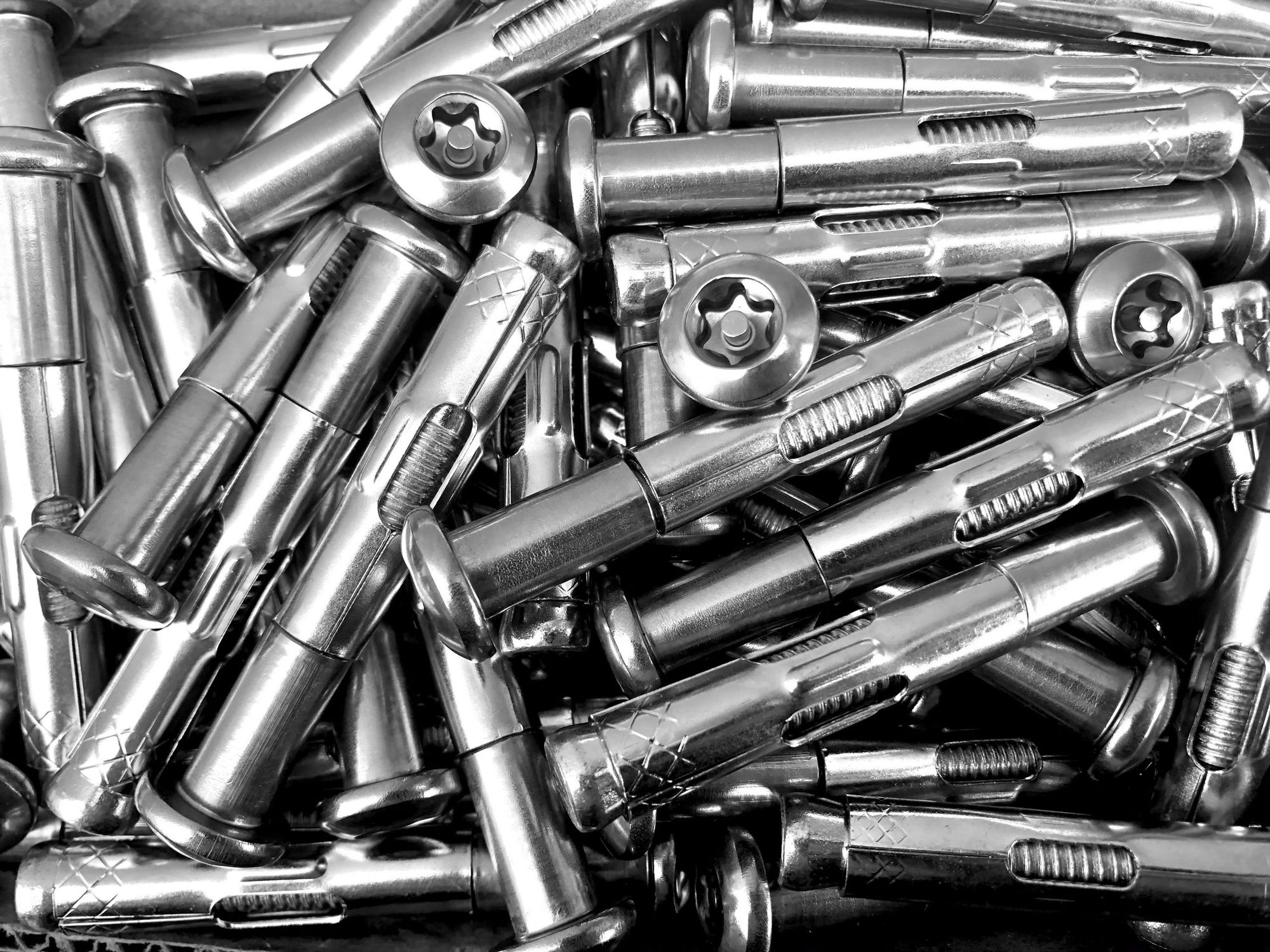
This guide will walk you through what a barrel screw is, the types you find in packs, and how to select the best one for your home furniture assembly.
What is a barrel screw?
A barrel screw is a short metal cylinder with a threaded hole through the middle, used with a matching bolt to clamp two pieces of wood together.
You’ll often hear them called “cross dowels” or “joint connectors”. The bolt passes through one panel, into the side of the barrel screw, and when you tighten it, the parts pull together in a very strong, neat joint. This is why you see them in bed frames, table legs, wardrobes and other load‑bearing pieces.
Unlike normal wood screws, a barrel screw spreads the force across more material. That matters a lot with chipboard and MDF, which can crumble if you rely only on thin screws driven straight into the edge.
Why a barrel screw is perfect for furniture assembly
Strong joints in modern boards
Most flat‑pack furniture today is made from MDF, particle board or laminated panels. These boards look good and are affordable, but they are not very strong at the edges.
A barrel screw solves this by pulling a machine bolt into a solid metal barrel inside the panel, rather than cutting threads straight into the wood. The result is a tight, rigid joint that can handle daily use, weight and the odd knock without working loose too easily.
Easy to take apart and rebuild
If you rent, move often, or like to rearrange rooms, you’ll appreciate how well a barrel screw copes with being undone and re‑tightened.
Wood screws lose grip each time you remove them, but a barrel screw and bolt will usually feel almost as firm the tenth time as they did the first. That makes them ideal for beds, large wardrobes and desks you may need to dismantle and rebuild in a different room.
Hidden, neat and adjustable
Most of the time, the barrel screw sits hidden inside a drilled hole, with only a small slot or hex recess showing. You can tweak the joint later with a simple screwdriver or Allen key if a panel settles or a joint squeaks.
This mix of strength, neat appearance and easy adjustment is why good quality flat‑pack kits rely so heavily on barrel screws rather than simple wood screws alone.
Types of barrel screw (and which suits you best)
Standard zinc‑plated barrel screws
For most indoor furniture jobs, a standard zinc‑plated barrel screw is all you need. These are the familiar silver‑coloured versions you’ll find in many flat‑pack kits and bags of fittings from the DIY shop.
They resist rust well enough for bedrooms, living rooms and home offices, and they’re usually the most affordable option. If the connector will be hidden inside a panel or under the bed, this is the type you’ll likely choose.
Brass and decorative barrel screws
Sometimes the barrel screw head is visible on the outside of a table leg or shelving unit. In those cases, you might want something that looks a bit smarter.
Brass, black or nickel‑plated barrel screws can blend with your handles, hinges or other metal details. They work the same way as standard versions but add a more “finished” look, which matters if you care about the fine details of your interior design.
Offset and long barrel screws
Certain joints are awkward. You may need to join thick worktops, chunky timber posts, or panels that don’t quite line up in the “standard” way. That’s where offset or extra‑long barrel screws come in.
Offset types have the threaded hole slightly off‑centre, giving you more wiggle room when the bolt hole and barrel screw hole don’t line up perfectly. Longer versions help you span thicker boards without running out of thread. Both are handy when you move from simple flat‑pack builds into more custom furniture projects.
How to choose the best barrel screw for your project
1. Match the length to your board thickness
The most important step is matching the barrel screw and bolt length to your panel thickness. If the barrel screw is too short, you won’t get enough thread engagement. Too long, and it may break out the side of the board.
As a rough guide:
- For 16–18 mm boards, small to medium barrel screws (often used with M6 bolts) usually work well.
- For thicker table legs or bed posts, look for longer barrel screws designed for heavy joints.
If you are unsure, it’s worth buying one or two extra sizes and testing on an off‑cut before drilling your final panels.
2. Choose the right diameter
Most furniture connectors use M6 (6 mm) bolts with matching barrel screws, which balances strength and tidy appearance. For very light shelves or children’s furniture, M5 can be enough, while big beds, workbenches or chunky tables may use M8.
Stick to the size recommended in your instructions where possible. If you’re designing something yourself, M6 barrel screws are a good starting point for most indoor furniture.
3. Pick a head that matches your tools
Barrel screws come with different head styles, such as:
- Flat‑blade slot
- Cross/Phillips
- Pozi
- Hex/Allen
If you already own a good set of Allen keys, hex‑head barrel screws are easy to tighten without slipping. For simple DIY kits, a slot or cross head is fine and works with any basic screwdriver.
4. Think about finish and visibility
If the barrel screw will be seen, match the finish to the rest of the room. For example:
- Bright zinc: simple, modern and low‑cost
- Brass: warm and classic, great with wooden furniture
- Black or dark: blends well with industrial or modern black fixtures
On the other hand, if the barrel screw is hidden inside a frame or under a bed, standard zinc‑plated versions are usually the most sensible choice.
5. Choose the right fixing for the right job
It’s easy to mix up different screws when you’re working on one big project, like fitting new shelves and building a wardrobe at the same time. Remember, a barrel screw is designed for joining panels together, not for fixing furniture to brick or concrete walls.
For fixing a cabinet or shelf unit to a masonry wall, you’d use wall plugs or self tapping masonry screws instead. These cut their own thread into brick or block, while the barrel screw works inside the furniture itself. Using each type in the right place is key to safe, solid results.
How to fit a barrel screw without splitting the panel
Fitting a barrel screw is not hard, but it does reward a little care and patience.
- Mark your holes clearly.
First, mark where the bolt passes through the front panel, and where the barrel screw will sit in the edge of the other panel. Take your time here – accurate marks make the rest much easier. - Drill the bolt hole.
Drill straight through the first panel with the size recommended for your bolt (for example, 7 mm for an M6 bolt). Keep the drill square so the bolt doesn’t come out at an angle. - Drill the barrel screw hole.
In the edge of the second panel, drill a cross‑hole to fit the barrel screw snugly. The hole should be just deep enough for the barrel to sit flush without breaking through. - Line up and test‑fit.
Slide the barrel screw into its hole, line up the threaded opening with the bolt hole, and test everything by hand before final tightening. If it feels wrong, don’t force it – pull it apart and check your alignment. - Tighten gently.
Once you’re happy, tighten the bolt until the joint is firm. Stop when the panels pull together and sit flush. Over‑tightening can crush softer boards or strip the threads.
Conclusion: choosing the right barrel screw is simpler than it looks
When you break it down, the “best” barrel screw for furniture assembly is simply the one that fits your board thickness, matches the right bolt size, and has a finish that suits how visible it will be.
A good barrel screw will give you strong, tidy joints that survive moving days, growing families and years of daily use. With a bit of planning, you can move from confused by that little bag of metal parts to quietly confident, building furniture that feels solid and safe.
FAQs
Q1. What size barrel screw do I need for 18 mm boards?
For 18 mm boards, an M6 barrel screw is common with a matching bolt of suitable length; always check the fitting guide for your specific kit.
Q2. Can I reuse a barrel screw if I move house?
Yes, in most cases a barrel screw can be reused multiple times as long as its threads do not get damaged and also if the panels remain in good condition.
Q3. Are barrel screws stronger than normal wood screws?
In chipboard and MDF, a barrel screw with a matching bolt is generally stronger and more reliable than a simple wood screw driven into the edge.
Q4. Do I need special tools for a barrel screw?
No, most of them can be tightened with a standard screwdriver or Allen key, plus a basic drill for the holes.
Q5. Where are barrel screws usually used in flat‑pack furniture?
You’ll often find a barrel screw in bed rails, table frames, wardrobe corners and anywhere a strong, take‑apart joint is needed